LONG LIVE THE NEW FLESH: Bodies in Transformation at Lund Fantastic 2026

The body has always occupied a central place in fantastic cinema. It is where fear, desire, identity and transformation become visible — sometimes through mutation or violence, sometimes through subtler shifts in perception, intimacy and selfhood.
Across this year’s programme, several films return to the body as a site of instability. They come from different countries and belong to very different genres, but each explores what happens when the body ceases to feel fixed, familiar or entirely one’s own.
OSCILLATION
Dir. Kenichi Ugana — Japan
In Oscillation, physical transformation emerges within a world of emotional distance. Ugana’s austere black-and-white film links bodily change to loneliness, estrangement and the inability to communicate, allowing the body to express what its characters cannot.
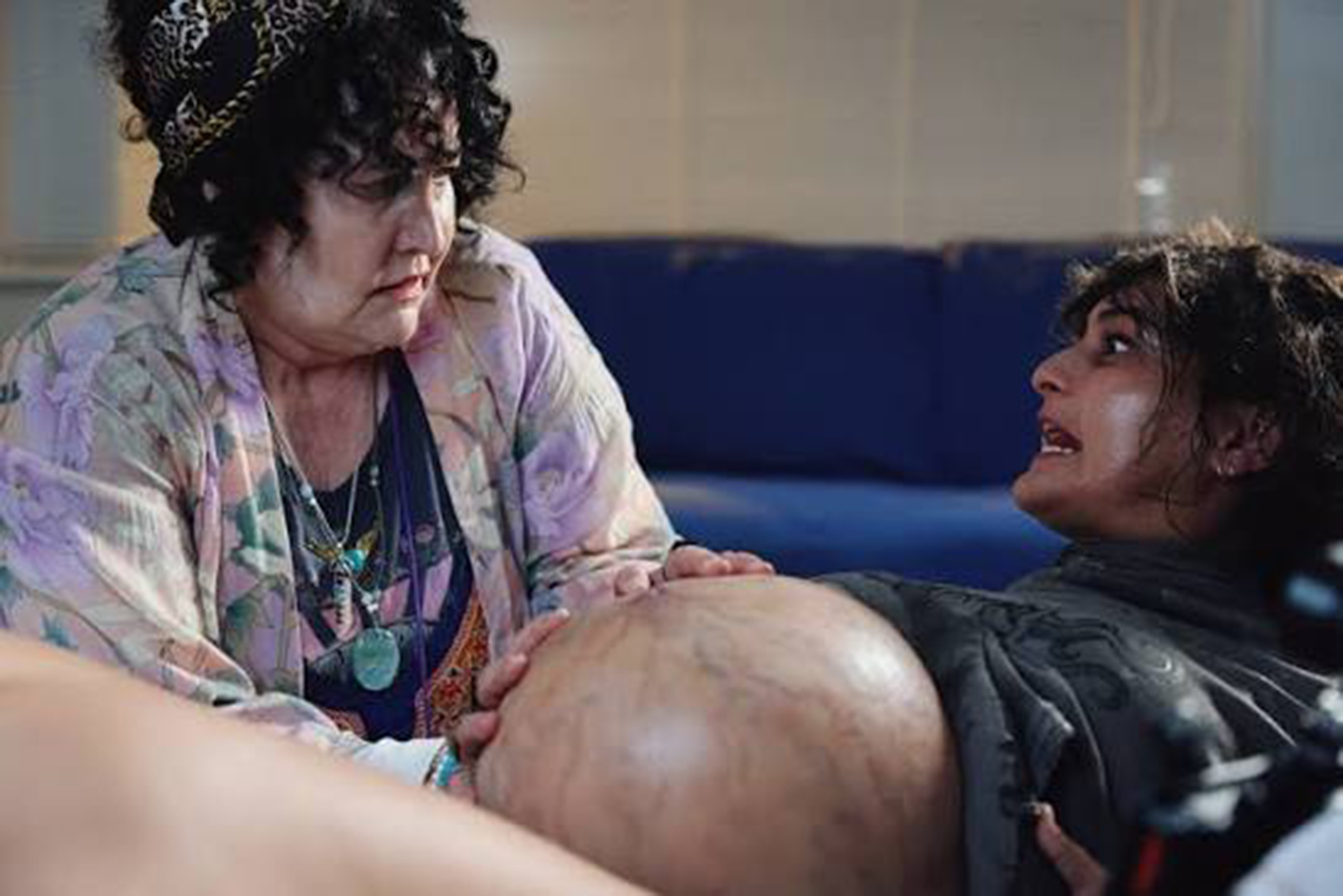
MUM I’M ALIEN PREGNANT
Dir. THUNDERLIPS — New Zealand
Mum I’m Alien Pregnant approaches the subject from an entirely different direction. Its extraterrestrial pregnancy becomes both comic and grotesque, but beneath the absurdity lies a clear concern with bodily autonomy, reproductive anxiety and the experience of losing control over one’s own physical reality.
Explore Mum I’m Alien Pregnant →
SACCHARINE
Dir. Natalie Erika James — Australia
In Saccharine, transformation is bound to desire. The wish to alter the body becomes increasingly destructive, as appetite, shame and self-reinvention blur together. What begins as an attempt at control gradually reveals another form of dependency.
HIMMELSKÖRPER
Dir. Henry Han Ming Kho — Germany
Himmelskörper turns puberty into a form of fantastic unease. Bodily change becomes inseparable from questions of inheritance, masculinity and identity, as its young protagonist confronts both the strangeness of his own development and the return of a father who may offer answers he is not ready to receive.
BLOOD SHINE
Dirs. Emily Bennett & Justin Brooks — USA
In Blood Shine, transformation is connected to ritual, belief and surrender. The body becomes the terrain upon which devotion is tested and power is negotiated, pushing spiritual longing toward something increasingly physical and transgressive.
THE RESTORATION AT GRAYSON MANOR
Dir. Glenn McQuaid — Ireland / Austria
Finally, The Restoration at Grayson Manor approaches bodily transformation through technology. After the loss of his hands, Boyd Grayson is reconstructed through advanced prosthetics, but the attempt to restore the body only destabilises the boundary between conscious intention and suppressed desire.
Explore The Restoration at Grayson Manor →
Taken together, these films reveal how elastic the idea of bodily transformation can be. Across horror, comedy, coming-of-age drama, psychological cinema and gothic excess, the body becomes a way of exploring autonomy, identity, desire, family, technology and belief.
The forms differ radically. The underlying anxiety remains the same: the body is never quite as stable as we would like to believe.
Long live the new flesh.