A bomb has been planted on Japan’s bullet train — and if the speed drops below 80 km/h, thousands of passengers will die!
Directed by Junya Satō, The Bullet Train is a nerve-wracking masterpiece of suspense that combines high-speed action, political tension and disaster cinema on an epic scale. Decades before Speed, this landmark thriller transformed the modern train into a site of pure cinematic terror, racing relentlessly between human desperation and mechanical catastrophe.
With spectacular set pieces, mounting paranoia and unstoppable momentum, The Bullet Train remains one of the defining achievements of Japanese genre filmmaking.
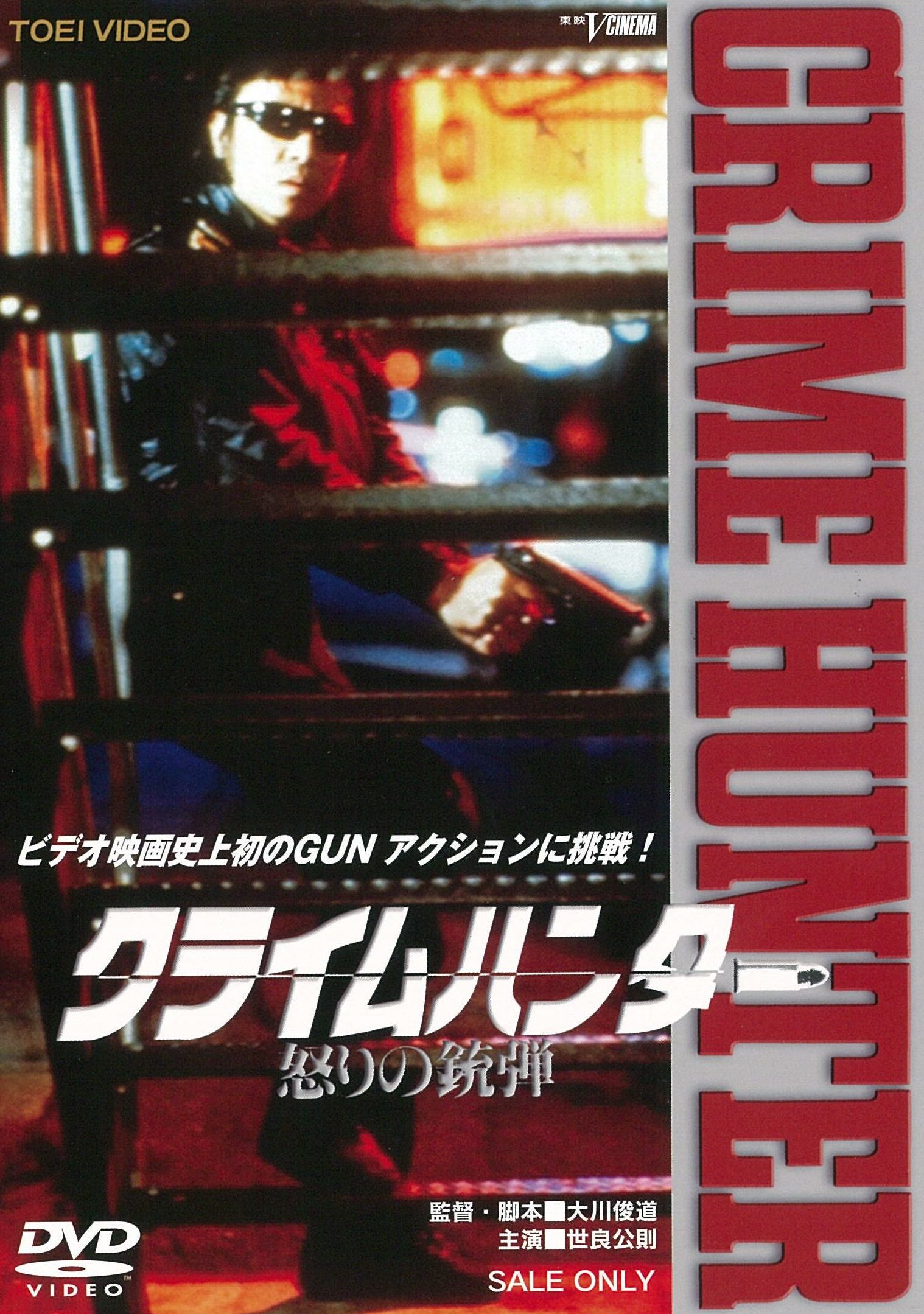
See The Bullet Train and Crime Hunter: Bullets of Rage together at Kino for just 200 SEK.
Junya Satō (1932–2019) was a Japanese film director and screenwriter known for his work in yakuza films, large-scale thrillers and big-budget historical dramas. Born in Tokyo, he graduated from the University of Tokyo in 1956 with a degree in French literature before joining Toei, where he worked as an assistant director to filmmakers including Tadashi Imai and Miyoji Ieki.
Satō made his directorial debut in 1963 with Rikugun Zangyaku Monogatari, which earned him a Best Newcomer award at the Blue Ribbon Awards. After beginning his career mainly in yakuza cinema, he became increasingly associated with large-scale popular filmmaking. His 1975 thriller The Bullet Train, starring Ken Takakura and Sonny Chiba, remains one of his most internationally recognised works and a landmark of Japanese suspense and disaster cinema.
He later worked on major productions and international co-productions, including The Go Masters, co-directed with Duan Jishun, which won the Grand Prize at the Montreal World Film Festival in 1983. In 1989, Satō received the Japan Academy Prize for Director of the Year for The Silk Road. His son, Tōya Satō, is also a film director.